Top 10 Electric Toilet Smart Features Everyone Should Know About
As the demand for smarter home solutions continues to rise, Electric Toilet Smart technology is at the forefront of innovation in modern bathrooms. According to a recent report by the Global Smart Toilet Market, the market is projected to grow at a compound annual growth rate (CAGR) of 10.2% from 2022 to 2027, highlighting the increasing consumer interest in advanced sanitary solutions that prioritize comfort, hygiene, and sustainability. The integration of smart features in electric toilets not only enhances user experience but also contributes to water conservation efforts, addressing a critical need as global water scarcity continues to be a pressing issue.

In 2025, understanding the top features of Electric Toilet Smart systems will be essential for homeowners looking to upgrade their bathrooms. Smart toilets now come equipped with a variety of innovative functionalities, including automated flushing, heated seats, and integrated bidets, all designed to elevate personal hygiene while minimizing environmental impact. With the rise of smart home technology, these electric toilets offer smartphone connectivity, enabling users to customize their settings and monitor usage data seamlessly. Embracing these advancements can transform the bathroom experience, making it not just a necessity, but a sanctuary of convenience and efficiency.
Smart Bidet Functions for Enhanced Comfort and Hygiene
In recent years, smart bidet functions have revolutionized personal hygiene with their innovative features designed for enhanced comfort and cleanliness. According to a report by the International Association of Plumbing and Mechanical Officials (IAPMO), the demand for bidets in the United States has surged by over 200% in the last five years, reflecting a growing awareness of the benefits they provide. Smart bidets offer customizable water temperature, pressure settings, and nozzle positions, allowing users to tailor their use for maximum comfort. This level of personalization not only improves the overall bathroom experience but also promotes better hygiene practices by reducing reliance on toilet paper, which has become increasingly crucial in the context of environmental sustainability.
Moreover, advanced models often include drying features that utilize warm air to ensure users feel clean and comfortable after use. A recent study highlighted that using a bidet can decrease the risk of urinary tract infections by up to 60%, demonstrating their significant health benefits. Other popular functions include night lights for nighttime visits and heated seats, which further enhance the user's experience. As more households recognize the practicality and hygiene advantages of smart bidets, these fixtures are poised to become essential components of modern bathrooms.
Top 10 Electric Toilet Smart Features
Self-Cleaning Features That Ensure a Sanitary Experience
The self-cleaning feature of electric toilets has become a cornerstone for modern sanitation, ensuring a hygienic experience that is both convenient and safe. As awareness grows regarding personal health and cleanliness, smart toilets are leading in the market with advanced technologies that address cleanliness concerns. These toilets often come equipped with integrated self-cleaning systems, utilizing various methods such as ultraviolet light and automated rinsing functions to maintain cleanliness with minimal user intervention.
This innovative approach not only promotes better hygiene but also reduces the manual labor often associated with traditional toilets. With the market for smart toilets projected to expand significantly, the incorporation of self-cleaning features caters to the rising demand for sanitary solutions in both residential and public environments. As society evolves and the focus on health and sanitary practices increases, smart toilets with self-cleaning capabilities are poised to redefine the standards of hygiene in our everyday lives.
Adjustable Warm Air Dryers for Ultimate Convenience
In the realm of modern bathroom technology, adjustable warm air dryers have emerged as a standout feature, enhancing both convenience and comfort for users. According to a report by the Global Bathroom Fixtures Market, the demand for smart restroom innovations, including warm air dryers, has seen a significant rise, with an expected growth rate of 8.7% from 2021 to 2027. This reflects a broader trend towards sanitary solutions that prioritize user experience while promoting hygiene.
The integration of adjustable warm air dryers allows users to customize their drying experience based on personal preferences. Features such as temperature control and airflow adjustability ensure a comfortable and efficient post-toilet experience. Research indicates that using warm air dryers can reduce the need for toilet paper consumption by about 70%, contributing to environmental sustainability efforts. Additionally, studies highlight that these devices minimize skin irritation and promote a cleaner, more hygienic aftermath compared to traditional methods, reinforcing their growing popularity in households and public facilities alike.
Top 10 Electric Toilet Smart Features Everyone Should Know About - Adjustable Warm Air Dryers for Ultimate Convenience
| Feature |
Description |
Benefits |
| Adjustable Warm Air Dryer |
A built-in feature that provides a gentle warm air dry post-use. |
Increases comfort, reduces the need for toilet paper, and adds hygiene. |
| Heated Seat |
A seat that warms up to provide comfort during colder months. |
Enhances user comfort and provides a luxurious experience. |
| Night Light |
Built-in soft lighting for easier navigation at night. |
Prevents accidents and enhances safety during nighttime use. |
| Automatic Lid Opening |
The lid opens automatically when someone approaches. |
Enhances convenience and reduces contact with the toilet. |
| Smart Control App |
Control features via a smartphone app for customizable settings. |
Allows for personalized adjustments and monitoring. |
| Bidet Functionality |
Integrated bidet features for more thorough cleaning. |
Increases hygiene and comfort compared to traditional methods. |
| Water Temperature Control |
Ability to regulate the temperature of the bidet water. |
Enhances user comfort and experience. |
| Self-Cleaning Nozzle |
Nozzle cleans itself before and after use. |
Promotes hygiene and reduces maintenance. |
| Energy-Saving Mode |
A mode that reduces energy consumption when not in use. |
Saves energy and reduces utility costs. |
| Adjustable Water Pressure |
Users can adjust the strength of the water spray. |
Provides personalized comfort and effective cleaning. |
Energy-Efficient Heating Systems for Optimal User Experience
One of the most significant advancements in electric toilet technology is the integration of energy-efficient heating systems. According to a report by the International Energy Agency (IEA), enhancing the energy efficiency of residential appliances, including smart toilets, can lead to a reduction in energy consumption by up to 25%. These innovative heating systems not only provide instant warmth but also adapt to user preferences, ensuring a comfortable experience while minimizing energy wastage.
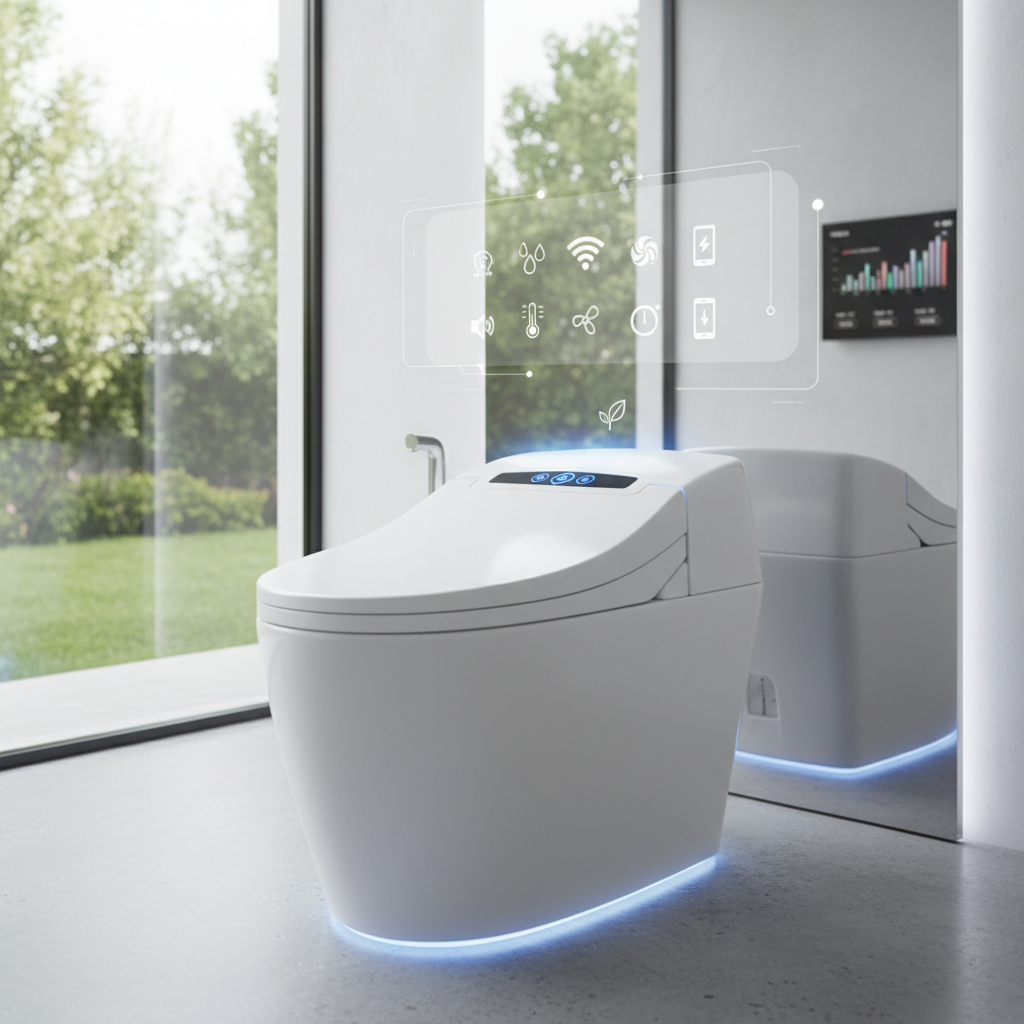
Smart toilets are equipped with features such as adjustable seat heaters and warming water systems that utilize low-energy consumption modes. A study published in the Journal of Sustainable Energy & Environment revealed that toilets with such features can reduce energy costs by 30% compared to traditional heating methods. Additionally, these toilets often come with occupancy sensors that activate heating only when in use, further promoting energy conservation and enhancing user comfort. This thoughtful design ultimately contributes to a more sustainable household while delivering a luxurious experience that elevates daily routines.
Customized User Profiles for Personalized Toilet Settings
The evolution of electric toilets has transformed modern bathrooms into hubs of personalization and comfort, with customized user profiles standing out as a key feature. This innovative capability allows multiple users to create tailored settings that suit their individual preferences. According to a report from the International Journal of Intelligent Systems and Applications, around 64% of consumers value customizable features in smart home devices, demonstrating a growing demand for personalization in everyday technology.
Creating user profiles enables features such as personalized water temperature, seat height, and bidet settings, enhancing the overall user experience. A survey conducted by the Bathroom Manufacturers Association indicated that 72% of users who had access to customizable toilet settings reported higher satisfaction levels with their bathroom experience. Furthermore, such technologies not only cater to comfort but also play a significant role in improving hygiene and accessibility, making bathrooms more inclusive for individuals with diverse needs. As electric toilets become increasingly sophisticated, the integration of customized user profiles stands out as a transformative development in both design and functionality.