Why Choose an Electric Toilet for Your Home?
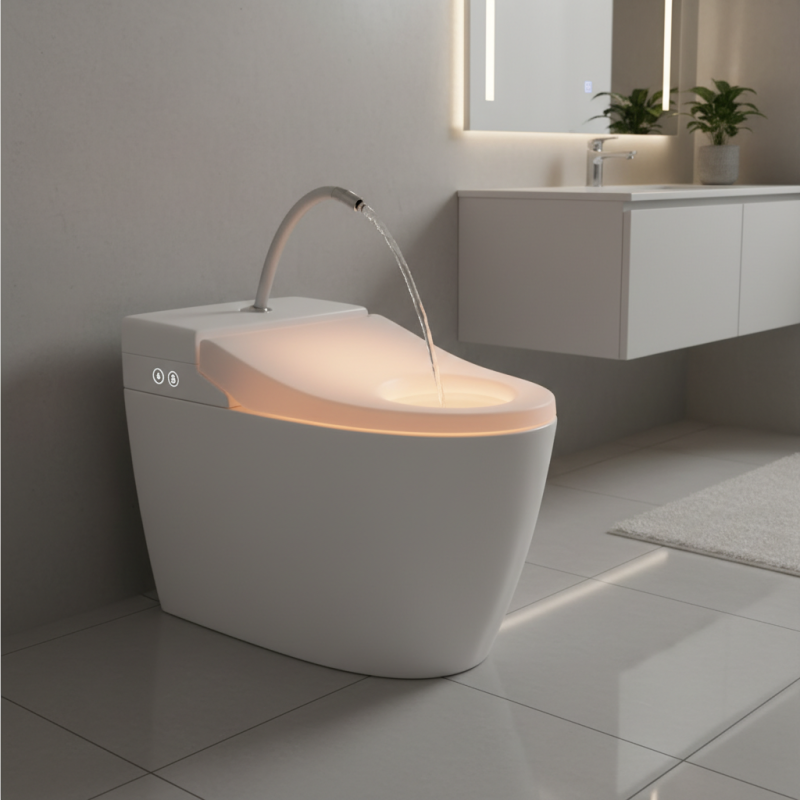
In recent years, the popularity of the Electric Toilet has surged. Homeowners are increasingly drawn to these innovative fixtures for various reasons. An Electric Toilet offers advanced features that enhance comfort, hygiene, and convenience.
Imagine starting your day with a warm seat and adjustable water temperature. These small luxuries can transform a mundane routine. Electric Toilets often include bidet functions, reducing the reliance on toilet paper. This not only improves cleanliness but also promotes sustainability by conserving resources.
However, choosing an Electric Toilet can be daunting. The initial cost may deter some, and installation might require professional assistance. Additionally, these toilets depend on electricity, which raises concerns during power outages. Despite these drawbacks, the potential benefits are compelling. The Electric Toilet may just be the upgrade your home needs.
Benefits of Electric Toilets Over Traditional Options
Electric toilets offer a modern alternative to traditional options. They provide enhanced comfort and efficiency. With features like heated seats and built-in bidets, they can elevate your bathroom experience significantly. Imagine a warm seat on a cold winter morning. That’s a simple joy many crave.
A notable benefit is water conservation. Electric toilets often use less water per flush. This can lead to lower utility bills over time. Moreover, they come with advanced flushing mechanisms. These can eliminate waste more effectively than traditional models. However, some users might find the maintenance a bit daunting. Keeping the technology in good shape is crucial but can be overlooked.
When considering an electric toilet, think about installation costs. It might require electrical work. Advice: always consult a professional. Also, understand the features you truly need. Heated seats are fancy but not essential for everyone. Evaluate your habits and preferences carefully to avoid unnecessary expenses.
Why Choose an Electric Toilet for Your Home? - Benefits of Electric Toilets Over Traditional Options
| Feature |
Electric Toilets |
Traditional Toilets |
| Comfort |
Heated seats and adjustable temperature |
Standard seating |
| Cleanliness |
Self-cleaning bidet features |
Manual cleaning required |
| Water Efficiency |
Dual flush options available |
Single flush in most cases |
| Bidet Functionality |
Integrated bidet spray |
Separate bidet often needed |
| Technology |
Smart features like sensors and remote controls |
Basic functionality |
| Health Benefits |
Enhanced hygiene for better health |
Risk of inadequate cleaning |
Key Features That Make Electric Toilets Stand Out
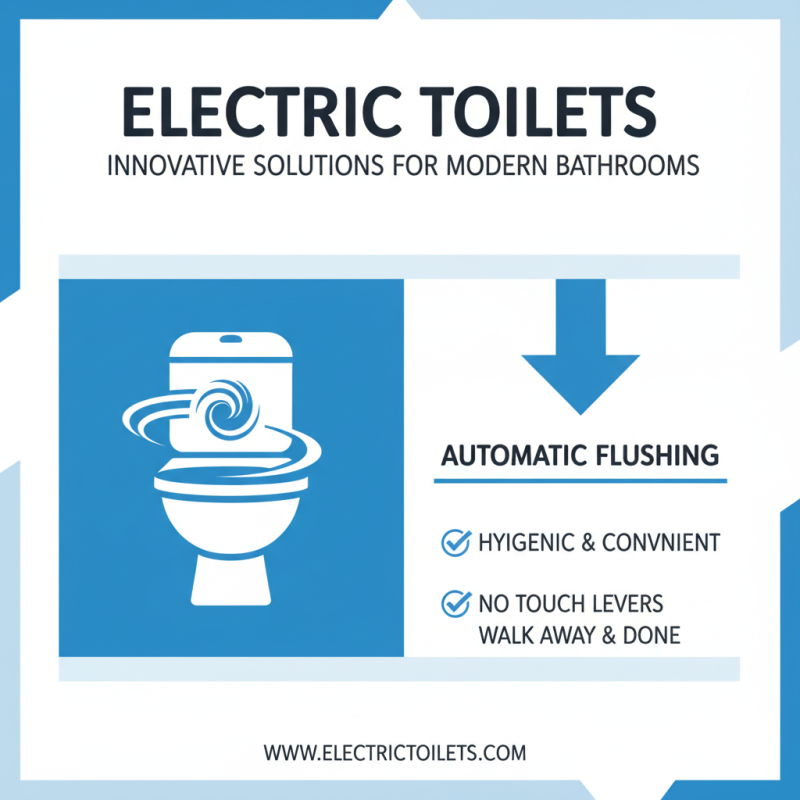
Electric toilets offer innovative solutions for modern bathrooms. One of their standout features is automatic flushing. This function ensures that every use is hygienic and convenient. No need to touch any levers or handles. Just walk away, and the toilet takes care of itself.
Another impressive attribute is the heated seats. On cold winter mornings, this feature feels luxurious. It provides comfort that traditional toilets simply can’t match. Some models even allow users to adjust the temperature. This customization adds a personal touch to restroom visits.
Moreover, many electric toilets come with built-in bidets. This promotes cleanliness and can reduce toilet paper usage. However, it's essential to consider the space needed for installation. Not all bathrooms can accommodate these toilets easily. Additionally, users need to think about electrical outlets. Without proper planning, enjoying the full benefits might be challenging. Electric toilets are an excellent choice, but they require thoughtful consideration before making the switch.
Impact of Electric Toilets on Water Conservation
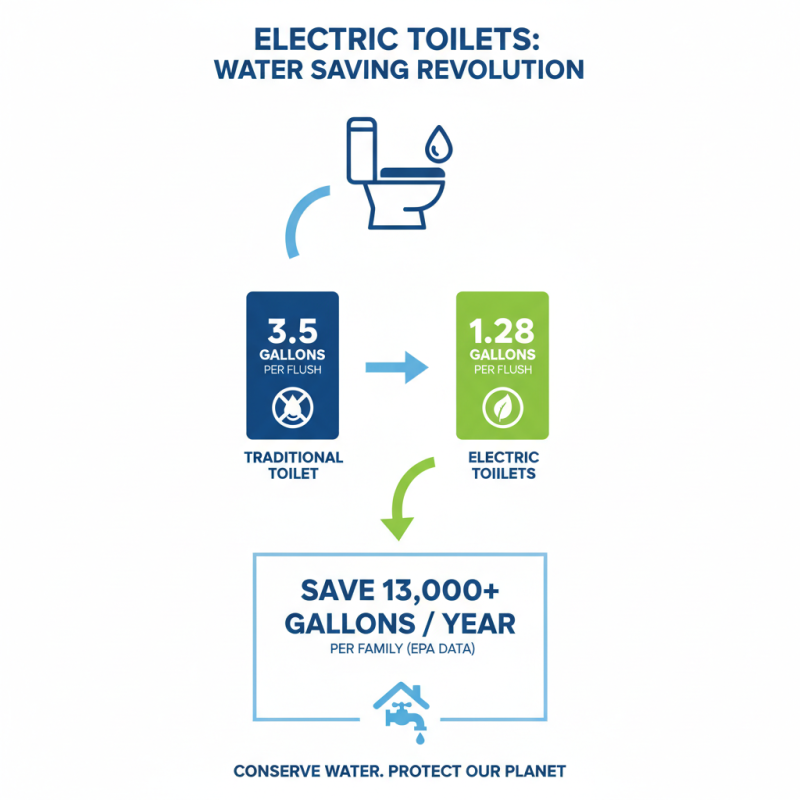
Electric toilets are revolutionizing water conservation in households. Traditional toilets use an average of 3.5 gallons per flush, wasting a significant amount of water. In contrast, electric toilets often consume just 1.28 gallons per flush. According to the Environmental Protection Agency, upgrading to low-flush toilets could save a family over 13,000 gallons of water each year.
These toilets use advanced technology to optimize water usage. Many models have dual-flush options, allowing users to select a lower flush for liquid waste. This feature can reduce water usage by up to 30%. A study by the American Water Works Association indicates that integrating electric toilets in homes can lead to a cumulative savings of billions of gallons annually.
Despite the advantages, it's crucial to consider maintenance costs. Electric toilets often require more repairs than traditional models. Components may fail, leading to leaks or system malfunctions. Homeowners should weigh these potential costs against water savings. Reflecting on these factors will ensure smarter choices for water conservation in modern bathrooms.
Ease of Installation and Maintenance for Electric Toilets
Electric toilets offer a unique blend of convenience and modern technology. When it comes to installation, many homeowners find them easier than traditional models. A recent report from the Plumbing Manufacturers International indicated that electric toilets can often be installed in under two hours. This is significantly less time than conventional toilets, which might require extensive plumbing adjustments.
Maintenance is also straightforward. Electric toilets usually have fewer moving parts. According to a study from the National Association of Home Builders, repairs for electric toilets occur 35% less frequently than for standard toilets. While potential electrical issues do exist, the simplicity of these systems often means fewer problems arise. Users may need to check the power supply occasionally, but this is a minor consideration when compared to traditional toilets.
However, some users express concerns about electrical reliance. In areas prone to power outages, the effectiveness of these toilets might be hindered. Also, the installation costs can be higher initially. Balancing the convenience of electric toilets with potential downsides is important. As technology evolves, homeowners must weigh these factors carefully before making a decision.
Ease of Installation and Maintenance for Electric Toilets
Cost Considerations and Long-term Savings with Electric Toilets
Choosing an electric toilet for your home can lead to notable cost considerations and long-term savings.
Electric toilets often come with advanced features like heated seats and automatic flushing. While the upfront
cost may be higher than traditional toilets, the benefits often outweigh these expenses.
Tip:
Consider your local water rates before purchasing. You may also want to calculate potential savings based on your
household habits. Not everyone will see the same benefits.
Maintenance costs for electric toilets can be lower over time. They typically require less water, which
translates to lower utility bills. Over months and years, these savings accumulate. You might find that your
water bill drops significantly, especially if your household has high water usage.
Installation may also require professional help, adding to initial costs. However, the convenience factors can
make this worthwhile. For busy households, the time saved from less frequent maintenance can be valuable.
Tip:
Check for local rebates on energy-efficient appliances. This may help mitigate initial expenditures.
Remember, thoughtful consideration of your home’s needs is crucial.