Leave Your Message

7 Best Wall Hung Bidet Toilets for Global Buyers?

Choosing the right Wall Hung Bidet Toilet can feel surprisingly complex for global buyers. Bathroom size, plumbing design, water pressure, electrical access, and local installation practices all matter. A sleek toilet may look perfect online, yet fail when its concealed tank does not match the existing wall structure. Small details matter.

This guide examines seven leading wall-hung bidet toilets through practical buying criteria. We consider cleansing performance, heating speed, bowl design, noise control, remote functions, water efficiency, maintenance access, and warranty support. Product specifications provide the starting point, but real-world usability deserves equal attention. A toilet should be comfortable at 6 a.m., not merely impressive in a product photograph.

Installation requirements vary between regions. Buyers should verify voltage, inlet connections, drainage measurements, and certification information before ordering. Professional plumbing advice is especially valuable for renovations involving concealed carriers or limited service access. Some models offer excellent features but require specialized technicians. That can increase long-term costs.

No single model suits every household. Some rankings may change when accessibility, family habits, or water quality become priorities. This comparison therefore avoids treating price or technology as the only decision factors. It focuses on dependable performance, clear specifications, and realistic ownership concerns. Readers will find useful strengths, possible limitations, and questions worth asking before purchase.

A beautiful bathroom is not enough. The system must work reliably.
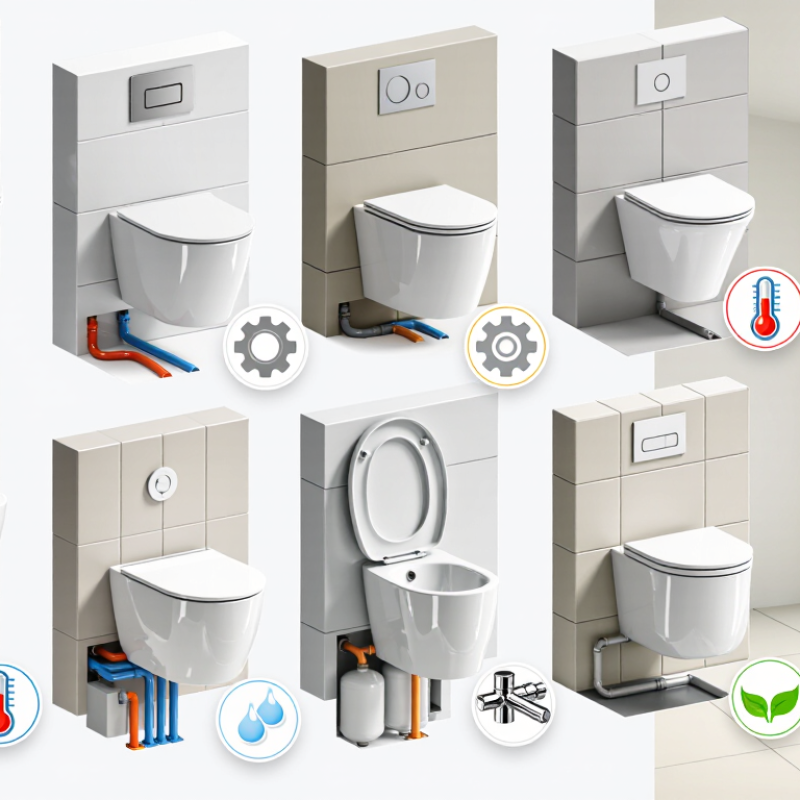
7 Best Wall Hung Bidet Toilets for Global Buyers?

Understanding Wall-Hung Bidet Toilets and Their Main Features

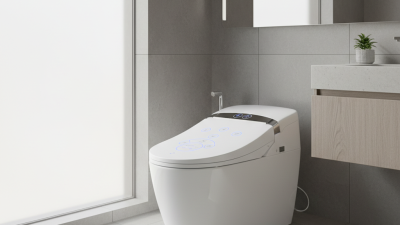
Wall-hung bidet toilets combine a concealed cistern, suspended bowl, and electronic washing seat. Their main appeal is a cleaner floor and easier mopping. Grand View Research estimated the smart toilet market at about USD 8.8 billion in 2023. It also projects a 12.8% annual growth rate through 2030. That growth reflects rising interest in hygiene, comfort, and space-saving bathroom design.

Core features usually include adjustable water temperature, spray pressure, nozzle position, warm-air drying, and seat heating. Some models add night lighting, odor control, and automatic flushing. Toilets already represent nearly 30% of indoor residential water use, according to the U.S. Environmental Protection Agency. Efficient flushing therefore matters. However, a bidet function still uses water and electricity. “Smart” does not always mean efficient. Buyers should check flush volume, standby power, and cleaning cycles.

Installation requires more planning than a floor-mounted toilet. The concealed carrier must suit the wall structure and support the intended load. Electrical supply, voltage, drainage position, access panels, and local plumbing codes also require confirmation. A removable service panel is valuable when valves or control boards fail. This detail is easy to ignore during a showroom visit. I would also question excessive sensors, because more electronics can mean more maintenance. For global buyers, local service access and replacement-part availability may matter more than a longer feature list.

7 Best Wall Hung Bidet Toilets for Global Buyers? - Understanding Wall-Hung Bidet Toilets and Their Main Features

Typical specifications for representative wall-hung bidet toilet configurations. Actual dimensions, certifications, water pressure requirements, and electrical standards vary by model and market.
No. Recommended Configuration Best Suited For Typical Projection Bidet Functions Flush & Water Use Power Requirement Key Buying Considerations
1 Integrated Smart Wall-Hung Bidet Toilet Premium residential bathrooms and accessible luxury projects Approximately 600–700 mm Adjustable rear and front wash, warm water, heated seat, warm-air drying, deodorization, night light, self-cleaning nozzle Dual flush; commonly about 3/4.5 L or 3/6 L per flush, depending on the certified model Usually 220–240 V or 110–120 V; dedicated protected outlet recommended Confirm voltage, plug type, circuit protection, remote-control language, and local plumbing approval
2 Compact Integrated Bidet Toilet Small apartments, guest bathrooms, and space-conscious renovations Approximately 520–600 mm Basic adjustable wash, heated seat, nozzle rinse, and optional warm-air drying Dual flush, typically within the 3/4.5 L to 3/6 L range Generally requires a nearby electrical connection; voltage varies by country Measure finished wall-to-front distance and allow clearance for the service panel and seat lid
3 Wall-Hung Toilet with Electronic Bidet Seat Buyers seeking replaceable components and easier long-term servicing Approximately 540–680 mm, depending on bowl and seat Wash-position adjustment, water-temperature control, heated seat, drying, and optional deodorizer The ceramic bowl commonly uses a 3/6 L or 3/4.5 L dual-flush mechanism Electronic seat normally requires a grounded outlet; some seats use an integrated water heater Check seat-to-bowl compatibility, hinge spacing, water inlet location, and replacement-seat availability
4 Non-Electric Mechanical Bidet Seat Package Regions with limited electrical access or buyers prioritizing simple maintenance Approximately 540–680 mm Cold or ambient-water rear/front wash, manually controlled pressure, self-rinsing nozzle Ceramic flush is commonly dual flush at approximately 3/4.5 L or 3/6 L No electrical supply required Verify backflow protection, shut-off valve access, inlet fittings, and user acceptance of unheated water
5 Rimless Wall-Hung Bidet Toilet Hygiene-focused homes, hotels, and high-frequency-use bathrooms Approximately 540–650 mm Integrated wash functions or compatible bidet seat, with nozzle sanitation on equipped versions Water-saving dual flush; exact performance depends on bowl hydraulics and local certification Required only when paired with an electronic bidet seat or integrated smart system Look for accessible cleaning surfaces, effective bowl wash, glazed trapway, and tested flush performance
6 Comfort-Height Wall-Hung Bidet Toilet Older adults, users with reduced mobility, and universal-design bathrooms Approximately 560–700 mm Bidet wash, heated seat or mechanical wash depending on configuration; accessible side or remote controls Usually a certified dual-flush system using approximately 3/4.5 L or 3/6 L Electronic versions require a protected outlet; mechanical versions do not Set finished seat height around 400–460 mm as appropriate, and coordinate with grab bars and carrier adjustment
7 Commercial-Grade Wall-Hung Bidet Toilet Hotels, serviced apartments, offices, and other high-use installations Approximately 540–700 mm Durable wash system, replaceable seat or integrated bidet module, and simplified user controls Dual flush with water consumption selected to meet the project’s local efficiency requirements Depends on whether the installation uses a mechanical or electronic bidet system Prioritize carrier load rating, service access, spare parts, cleaning procedures, warranty support, and commercial certification
Global buyer checklist: Confirm the concealed carrier system, finished wall thickness, drainage position, water-pressure range, backflow protection, electrical voltage and frequency, applicable plumbing standards, flush certification, warranty terms, and availability of replacement bidet-seat parts before purchase.

How to Evaluate the Seven Best Wall-Hung Bidet Toilets

Evaluating the seven best wall-hung bidet toilets requires more than comparing glossy photographs. I would measure the bathroom wall, drainage position, seat height, and service access before reviewing features. A concealed carrier must support the toilet securely, while the flush plate should remain reachable after installation. Small errors become expensive when the cistern is hidden.

I would test each model for spray adjustment, water temperature stability, nozzle cleaning, drying performance, and flush noise. A strong bidet should provide a steady spray without sudden pressure changes. Seat comfort also matters during longer use. Look for adjustable settings, an easy-to-clean nozzle, an antibacterial seat surface, and a manual backup function. Not every household needs heated water or automatic opening. Those features can increase energy use and repair complexity.

For global buyers, electrical compatibility, water pressure, replacement parts, and installation instructions deserve equal attention. Check recognized safety documentation for the destination market, not only the seller’s claims. I would also ask how technicians reach the internal components through the service opening. That detail is often ignored. In my experience, a quiet flush can still disappoint if the bowl leaves residue or the remote responds slowly. Reviews help, but hands-on testing is more reliable. Some advertised measurements may exclude the carrier frame, which is an easy mistake. A careful comparison should record full dimensions, operating costs, warranty terms, and local support in one clear sheet.

Comparing Smart Functions, Comfort, Hygiene, and Design

For global buyers, a wall-hung bidet toilet should balance smart functions with daily comfort. Heated seating, adjustable water temperature, warm-air drying, and night lighting improve the morning routine. Yet, too many controls can confuse older users. A clear side panel and tactile remote buttons matter. Experience shows that nozzle position, spray pressure, and seat width affect comfort more than app connectivity.

Hygiene needs practical engineering. Self-rinsing nozzles, antibacterial materials, and hands-free flushing reduce contact points, but cleaning still depends on regular maintenance. The World Health Organization and UNICEF Joint Monitoring Programme reported that 3.5 billion people lacked safely managed sanitation in 2022. This highlights the importance of reliable flushing and easy servicing, not only luxurious features. Water efficiency also deserves attention. The U.S. EPA WaterSense specification limits qualifying toilets to 1.28 gallons per flush, while requiring performance testing.

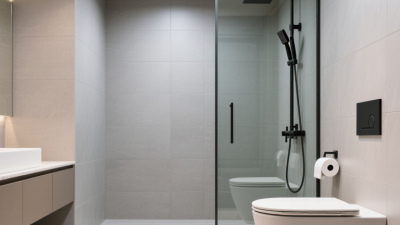
Design should support installation realities. A concealed cistern creates a clean, floating appearance and simplifies floor cleaning. However, hidden components may require an accessible service panel. Electrical compatibility, water pressure, drainage position, and local certification must be checked before purchase. This is easy to miss. Smart toilets also need dependable backup flushing during power interruptions. No model fits every bathroom. A careful comparison should consider user height, mobility, climate, voltage, and replacement-part availability. Industry reports offer useful benchmarks, but real comfort can vary with body shape and installation quality. That limitation deserves more attention.

7 Best Wall-Hung Bidet Toilet Profiles for Global Buyers

Comparative editorial scores from 1 to 10 based on commonly documented smart functions, user comfort, hygiene features, and design integration. The profiles represent product configurations rather than companies or brands.

Higher scores indicate a stronger overall feature set in each category. Remote control, adjustable water temperature and pressure, heated seating, warm-air drying, deodorization, self-cleaning nozzles, rimless bowls, and concealed cisterns are the main factors reflected in the comparison.

Checking Installation Requirements for Different Global Markets

7 Best Wall Hung Bidet Toilets for Global Buyers?

Checking Installation Requirements for Different Global Markets

A wall-hung bidet toilet saves floor space, but its concealed frame needs careful planning. The wall must support the carrier, cistern, bowl, user load, and service access. Rough-in dimensions also vary between markets. North American projects commonly use 120V/60Hz, while many European homes use 230V/50Hz. Japan may use 100V with either 50Hz or 60Hz. Electrical protection differs too, including GFCI or RCD requirements. Plumbing connections may follow IPC, UPC, EN, or AS/NZS rules. Check the local code, not only the product drawing.

WHO and UNICEF’s Joint Monitoring Programme reported that 3.5 billion people lacked safely managed sanitation in 2022. This highlights a practical issue: reliable hygiene depends on correct installation and maintenance access. Backflow protection, water pressure, drain alignment, and shut-off valves deserve equal attention. A small mistake behind the wall becomes expensive later. The best model is not always the most advanced one. It is the model that fits the local infrastructure.

Tips: Confirm voltage, frequency, inlet size, and carrier rating before purchase. Leave an accessible service opening. Ask a licensed installer to verify the rough-in height and drainage slope. Test the bidet seat, flushing cycle, and leak points before closing the wall. I would also photograph every concealed connection. Memory is unreliable. A global checklist helps, but it cannot replace local inspection.

Assessing Prices, Certifications, Maintenance, and Buyer Support

Comparing seven wall hung bidet toilets requires more than checking the advertised price. Entry-level models may cost less, but installation can add concealed frames, water connections, electrical work, and reinforced wall supports. Ask for a complete quotation. Fit matters. Measure the rough-in distance, seat height, bowl projection, and service access before ordering.

Certifications should match the destination market, not merely appear in a product brochure. Verify electrical safety, water-efficiency claims, material safety, and testing documentation through recognized authorities. Requirements differ across countries. A certification logo without a registration number deserves careful checking. I would also confirm voltage, plug type, water pressure range, and backflow protection. Small details often cause expensive delays.

Maintenance is easier when the flush valve, filter, spray nozzle, and heating components remain accessible after installation. Look for replaceable parts and clear cleaning instructions. Automatic functions are useful, but more electronics can mean more failure points. Buyer support matters here. Reliable suppliers provide installation drawings, spare-part lists, response times, and multilingual technical assistance. Keep records. Before purchase, request a written warranty covering labor, parts, and shipping responsibilities. Some sellers answer quickly before payment, then respond slowly after delivery. That risk is easy to overlook. A cautious buyer should test the support channel with detailed questions, even if the process feels inconvenient.