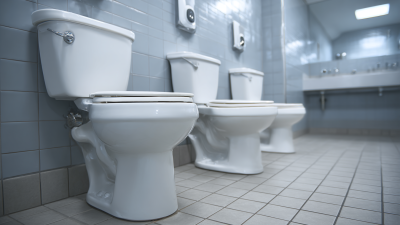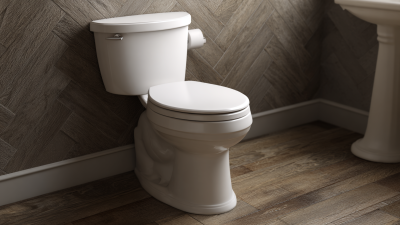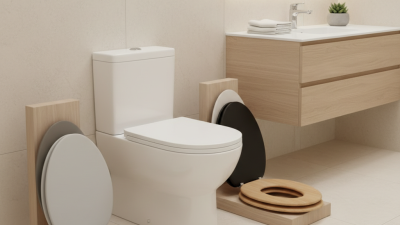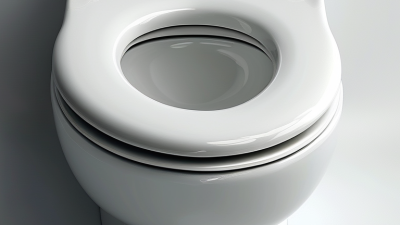
Choosing the 2026 best Compact One Piece Toilet requires more than measuring a bathroom wall.
In a 45-square-foot bathroom, every inch matters. A tank that projects too far can block a drawer. A wide base can make floor cleaning awkward. One-piece construction reduces hidden seams, but it does not guarantee better flushing or comfort.
The U.S. Environmental Protection Agency’s WaterSense specification identifies qualifying toilets that use 1.28 gallons per flush or less. These models must also deliver at least 20% greater efficiency than standard 1.6-gallon toilets. EPA WaterSense Branch Chief Veronica Blette explains, “WaterSense labeled products use at least 20 percent less water.” That benchmark matters in homes with frequent daily use.
Independent MaP testing adds another useful layer. Its reports evaluate how effectively toilets remove simulated waste, rather than relying on marketing claims alone. A smaller toilet can still perform strongly. Shape matters, too.
An elongated bowl may offer better leg support, while a round bowl can save several inches. Seat height changes the experience for older users and shorter adults. Rough-in distance can quietly decide whether installation succeeds.
This guide compares flushing performance, water use, footprint, cleaning access, noise, and installation requirements. It also considers real bathroom details, such as a narrow doorway or a vanity positioned beside the toilet.
No model is perfect.
Some compact designs sacrifice shelf space in the tank. Others feel cramped despite impressive specifications. Product listings can also omit important measurements. That is where careful comparison becomes essential.
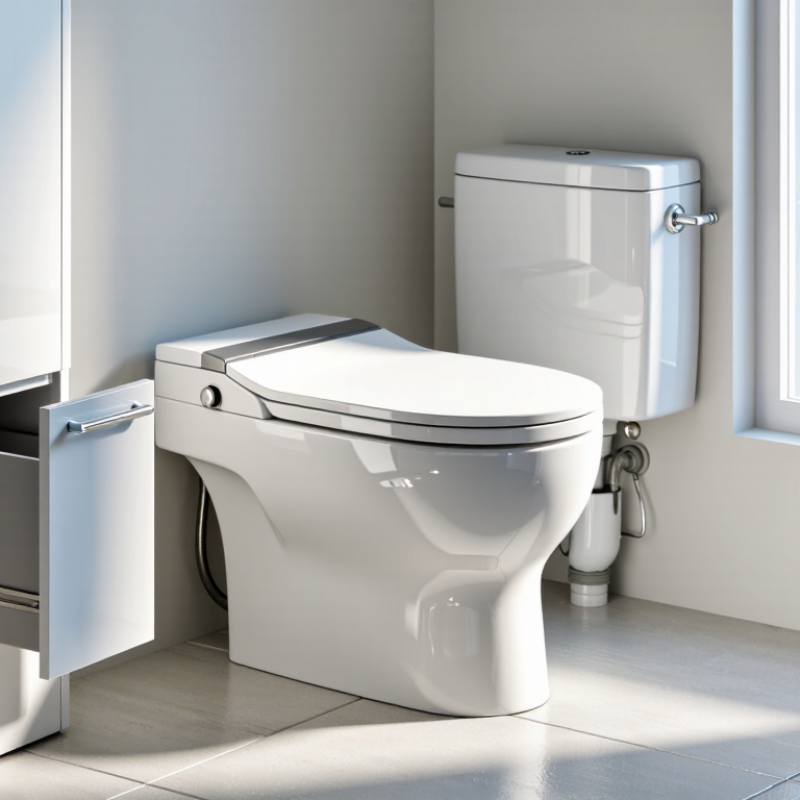
A compact one-piece toilet suits a small bathroom when every inch has a clear purpose. Its integrated tank and bowl reduce seams, making dust and splash marks easier to clean. The smooth profile also creates fewer visual breaks beside a narrow vanity.
Dimensions matter more than appearance. Measure the rough-in, door swing, bowl projection, and side clearance before choosing a model. A toilet that projects 27 inches may feel comfortable, while another at 30 inches can obstruct a cabinet door. Measure twice.
The U.S. Environmental Protection Agency’s WaterSense Tank-Type Toilet Specification, Version 2.0, limits labeled models to 1.28 gallons per flush and requires a minimum 350-gram MaP performance score. That balance supports water savings without accepting weak flushing. Still, laboratory results cannot fully predict household use.
The National Kitchen & Bath Association’s recent bathroom design research identifies storage, accessibility, and efficient layouts as continuing priorities in bathroom planning. A compact toilet helps, but its seat height and bowl shape also affect daily comfort. I prefer a slightly elongated bowl when the room allows it, although this choice can reduce walking space. Round bowls save projection, yet some users may find them less supportive. Look for a concealed or skirted base, accessible cleaning areas, and clear installation instructions. These details often matter more than a sleek product photograph. A small bathroom rewards careful measuring, not optimistic guessing.
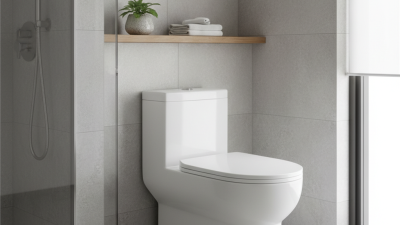
Choosing the best compact one-piece toilet for a small bathroom starts with accurate measurements. Measure the rough-in, bowl depth, width, and door clearance. A few centimeters can change daily comfort. Check the distance from the wall to nearby cabinets. Measure twice.
In my bathroom assessments, seat height often affects satisfaction more than appearance. A comfortable height supports easier sitting and standing, especially for taller users. A shorter bowl may save space, but it can feel cramped. Consider the bowl shape carefully. Round bowls usually project less than elongated models. Also inspect the flush system, water use, and noise level. A strong flush should clear waste without repeated flushing. Look for clear performance data from independent testing when available.
Cleaning access matters in tight rooms. A smooth one-piece design has fewer joints where dust and moisture collect. However, its heavier construction can make installation difficult. I once underestimated the doorway width and had to change my installation plan. That mistake still influences my recommendations.
Check the toilet’s weight and plan for safe lifting. Examine the trapway opening, glazed surfaces, and replacement-part availability. These details are easy to ignore. They often decide long-term reliability. A compact toilet should fit the room without making the user feel compressed. Test a showroom seat if possible, because measurements cannot fully predict comfort.
2026 Best Compact One Piece Toilet for Small Bathrooms
A compact one-piece toilet should fit the room without making daily use uncomfortable. Measure from the finished wall to the cabinet, not the baseboard. Leave roughly 21 inches in front when possible. Width also matters beside a vanity. A narrow bowl can save space, but very tight proportions may feel awkward after several weeks. I learned this the hard way in a small guest bathroom.
Comfort depends on more than seat height. A higher seat can help many adults sit and stand, while a round bowl often reduces projection. Check the seat shape before judging the toilet’s footprint. The U.S. Environmental Protection Agency’s WaterSense Specification for Tank-Type Toilets permits no more than 1.28 gallons per flush, compared with the older 1.6-gallon standard. That reduction can lower household water use, but real savings depend on flush frequency and leaks.
Cleaning needs deserve equal attention. One-piece construction removes the tank seam where dust and residue often collect. A fully glazed trapway usually wipes more easily, although marketing language can exaggerate this benefit. Look for accessible hinges, smooth curves, and a removable seat. The MaP Performance testing program uses a 350-gram minimum benchmark for WaterSense-labeled toilets, helping compare waste-removal performance. Still, laboratory testing cannot reproduce every home’s drain slope or paper habits. Read the installation sheet carefully. Tiny clearances can become daily annoyances.
This comparison uses representative specifications commonly found in compact residential toilets. Round-front models usually save floor space, elongated bowls generally provide more sitting comfort, and wall-hung toilets offer the shortest projection and easiest floor access for cleaning. High-efficiency models commonly use 1.28 gallons per flush or less.
For a compact bathroom, toilet shape should follow the room’s movement pattern. A round-front one-piece toilet suits narrow rooms because it reduces projection near the doorway. It can feel slightly less comfortable for taller users, though. Measure sitting clearance before choosing it.
A back-to-wall, compact elongated toilet works well beside a vanity or shower. Its tank stays close to the wall, leaving more walking space. In a corner bathroom, a corner-fit one-piece model can release valuable floor area. Check the rough-in distance carefully, since older plumbing may not match current dimensions. A raised-height design may help users with limited mobility, but it can make a tiny room feel visually heavier.
Tips: Mark the toilet footprint with painter’s tape before installation. Leave comfortable knee space in front and check the door swing. Choose a smooth, accessible trapway for easier cleaning. I prefer real measurements over showroom impressions; small errors become obvious after fitting. Also, do not assume “compact” means universally small. Some models are narrow but surprisingly deep.
A compact one piece toilet can make a small bathroom feel less crowded. Measure the rough-in, bowl projection, doorway, and nearby cabinet before ordering. A few centimeters matter. Most installations need a stable, level flange and an accessible shutoff valve. Check local plumbing requirements before replacing the old unit. During installation, use a new seal, tighten bolts evenly, and avoid overtightening the ceramic. The toilet should not rock when gently tested.
Maintenance is simpler because the tank and bowl have fewer exposed joints. Clean the surface weekly with a non-abrasive cleaner and a soft brush. Avoid harsh tools that can dull the glaze. Inspect the supply connection every few months for moisture, corrosion, or a slow drip. A small leak can damage flooring before it becomes obvious. I would not rely only on the absence of puddles. Dry the area, then check again after several flushes.
For better movement, choose a shorter projection and a round-front bowl when the room is very narrow. Leave comfortable clearance in front and beside the toilet, rather than filling every available inch. A slim tank profile may improve sightlines, but it should still allow easy access to the flush mechanism. Wall color and bright lighting can also reduce the cramped feeling. My first layout would not always be perfect, so marking the footprint with tape helps reveal awkward door swings and cleaning gaps before installation.
| Compact Toilet Type | Typical Width | Typical Depth | Typical Height | Common Rough-In | Water Use | Best Use | Key Consideration |
|---|---|---|---|---|---|---|---|
| Round-bowl one-piece toilet | Approximately 16–17 in (40.6–43.2 cm) | Approximately 25–28 in (63.5–71.1 cm) | Approximately 27–30 in (68.6–76.2 cm) | 10, 12, or 14 in (25.4, 30.5, or 35.6 cm) | Usually 1.28 gallons per flush or less | Very small bathrooms and narrow layouts | Shortest front-to-back footprint; bowl provides less sitting space than an elongated bowl. |
| Compact elongated one-piece toilet | Approximately 16–18 in (40.6–45.7 cm) | Approximately 27–29 in (68.6–73.7 cm) | Approximately 28–31 in (71.1–78.7 cm) | Most commonly 12 in (30.5 cm) | Usually 1.28 gallons per flush or less | Small bathrooms needing extra seating comfort | Check the front clearance carefully because the bowl is longer than a round bowl. |
| Short-projection one-piece toilet | Approximately 15–17 in (38.1–43.2 cm) | Approximately 24–26 in (61.0–66.0 cm) | Approximately 27–30 in (68.6–76.2 cm) | Commonly 12 in; some models use 10 in | Typically 1.28 gallons per flush or less | Powder rooms and bathrooms with limited front clearance | A shorter tank or redesigned bowl saves space, but replacement parts may be less universal. |
| Comfort-height compact toilet | Approximately 16–18 in (40.6–45.7 cm) | Approximately 25–29 in (63.5–73.7 cm) | Approximately 30–34 in (76.2–86.4 cm) | Usually 12 in (30.5 cm) | Usually 1.28 gallons per flush or less | Users who prefer easier sitting and standing | The higher seat can improve accessibility but may feel less suitable for children. |
| Standard-height compact toilet | Approximately 16–18 in (40.6–45.7 cm) | Approximately 25–29 in (63.5–73.7 cm) | Approximately 27–30 in (68.6–76.2 cm) | Usually 12 in (30.5 cm) | Usually 1.28 gallons per flush or less | General-purpose small bathrooms | Often provides easier child use and a lower overall profile. |
| Measurement or Task | Recommended Target or Standard | Why It Matters in a Small Bathroom |
|---|---|---|
| Rough-in measurement | Measure from the finished wall to the center of the floor drain; common sizes are 10, 12, and 14 in. | Incorrect rough-in selection can leave the toilet too far from the wall or prevent installation. |
| Side clearance | Allow at least 15 in from the toilet centerline to each side wall or nearby fixture where local code requires it. | Provides usable sitting space and helps maintain required plumbing clearance. |
| Front clearance | Plan for approximately 21 in or more in front of the bowl; local codes may require a different minimum. | A compact toilet is only space-saving if the remaining movement area is practical. |
| Supply-line location | Confirm the water-supply position matches the toilet’s base and tank clearance before drilling or connecting. | A misaligned valve can interfere with the one-piece base or make maintenance difficult. |
| Flange and floor condition | The flange should be secure, level, and properly fastened to the finished floor. | An uneven flange can cause rocking, leaks, or stress on the ceramic base. |
| Water-supply connection | Use a new flexible supply line when possible and hand-tighten the tank or fill-valve connection before final tightening. | Over-tightening can damage threads or seals, while old connectors may fail after installation. |
| Frequency | Maintenance or Design Action | Practical Guidance |
|---|---|---|
| Weekly | Clean the bowl, seat, hinges, and exterior. | Use a non-abrasive cleaner and a soft cloth; avoid abrasive powders and harsh scouring pads that can dull the glaze. |
| Monthly | Inspect the supply connection, shutoff valve, floor area, and flush performance. | Look for moisture, slow leaks, mineral buildup, weak flushing, or repeated running. |
| Every 3–6 months | Check the fill valve, flapper or flush seal, and tank-water level where applicable. | Replace worn seals with compatible parts and keep the water level within the manufacturer’s marked range. |
| When selecting the toilet | Choose a round bowl, short projection, concealed-supply layout, or wall-mounted storage. | Reducing front projection and keeping the floor area clear improves circulation in compact rooms. |
| During layout planning | Use a narrow-depth vanity, corner shelving, recessed storage, and a wall-mounted toilet-paper holder. | Wall and corner storage preserves floor space without reducing essential fixture clearances. |
| Before purchase | Compare the product’s full footprint, seat height, rough-in, water-use rating, and replacement-part availability. | A few inches of difference can determine whether the toilet fits comfortably and remains easy to service. |
Note: Dimensions are typical ranges for compact one-piece toilets and vary by design. Always verify the exact specification sheet and local plumbing-code requirements before purchase or installation.